
Travel Through Civilizations, Traditions, and Timeless Stories
Cultural travel is one of the most enriching ways to explore the world, offering experiences that go far beyond ordinary sightseeing. It invites travelers to immerse themselves in the traditions, history, art, and lifestyles that define different societies. Every destination carries a unique narrative shaped over centuries—stories expressed through architecture, cuisine, music, rituals, and the rhythms of everyday life. By engaging with these elements, travelers gain a deeper appreciation of how cultures evolve and continue to influence the present.
Cultural Travel encourages a more meaningful way of exploring, where the focus shifts from simply visiting landmarks to truly experiencing the essence of a place. Travelers interact with local communities, participate in age-old traditions, and witness customs that have been preserved through generations. Whether it’s attending a traditional festival, learning a local craft, or savoring regional flavors, each moment becomes an opportunity to connect with the soul of a destination.
From the grandeur of ancient temples and royal palaces to the vibrant energy of local markets and artistic neighborhoods, cultural travel offers a journey through the richness of human creativity and civilization. These spaces reflect not only historical significance but also living traditions that continue to thrive. Exploring them provides insight into the values, beliefs, and artistic expressions that shape communities across the world.
Designed for curious and mindful travelers, cultural journeys create a deeper sense of connection and understanding. They allow individuals to appreciate history, respect diversity, and engage with destinations in an authentic and respectful way. Ultimately, cultural travel transforms every trip into a meaningful experience—one that enriches the mind, broadens perspectives, and leaves a lasting impression of the world’s diverse heritage.
Why Cultural Travel is Transformative
Cultural travel transforms tourism into an experience of learning, appreciation, and connection.
Understanding History
Every city, monument, and tradition tells a story about the past. Cultural travel allows travelers to understand the history that shaped civilizations and societies.
Destinations like Rome offer remarkable insights into ancient civilizations. Walking through historic landmarks such as Colosseum reveals the grandeur of the Roman Empire and the architectural brilliance of ancient engineers.
Similarly, visiting Varanasi offers travelers a glimpse into one of the world’s oldest continuously inhabited cities.
Experiencing Local Traditions
Cultural travel allows visitors to witness traditional practices that have been preserved for generations.
In cities such as Kyoto, travelers can experience traditional tea ceremonies, historic temples, and classical performing arts that reflect centuries of cultural refinement.
These traditions reveal the values, beliefs, and artistic expressions of local communities.
Connecting with People
One of the most meaningful aspects of cultural travel is the opportunity to interact with local communities.
Conversations with artisans, chefs, musicians, and historians provide insights that cannot be found in guidebooks.
These interactions create authentic experiences that allow travelers to connect with people and cultures on a deeper level.
What is Cultural Travel
Cultural travel focuses on exploring the traditions, history, and heritage that define a destination. It encourages travelers to experience the unique cultural identity of each region they visit.
Instead of focusing only on popular attractions, cultural travel explores the deeper elements that shape communities. Travelers interact with local people, observe traditions, learn regional crafts, and experience authentic local cuisine.
For many travelers, cultural exploration becomes one of the most memorable aspects of their journey.
Walking through historic streets, listening to traditional music, observing religious rituals, and tasting regional dishes all contribute to a richer travel experience.
Cultural travel helps travelers appreciate diversity and understand how societies evolve through time.
Cultural Experiences Around the World
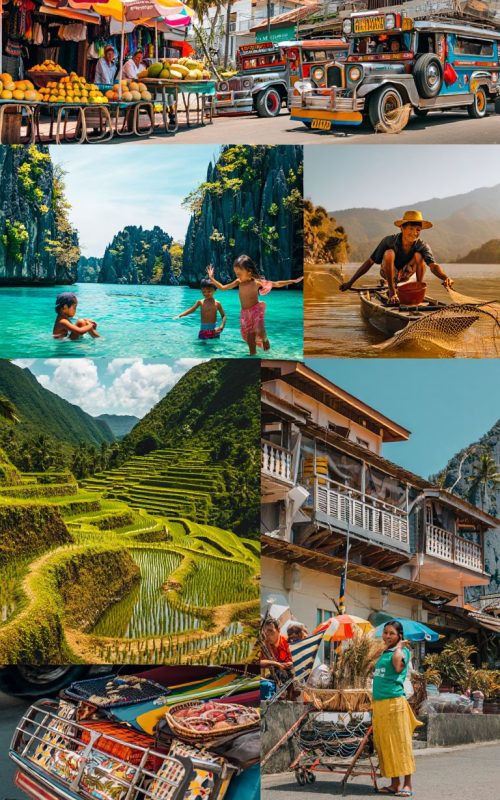
Cultural travel offers diverse experiences that highlight the heritage of different regions.
Historic Architecture
Architecture reflects the artistic vision and engineering capabilities of past civilizations. Landmarks such as the Taj Mahal demonstrate extraordinary craftsmanship and architectural beauty. Similarly, historic monuments like the Great Wall of China reveal the strategic and cultural significance of ancient civilizations. Exploring these structures allows travelers to understand the creativity and ambition of earlier generations.
Traditional Markets
Markets are vibrant cultural spaces where travelers can observe daily life and local traditions. Destinations such as Marrakesh are famous for colorful markets filled with spices, textiles, pottery, and handcrafted goods. Walking through these markets offers a sensory experience of sights, sounds, and aromas that define the local culture.
Culinary Heritage
Food is an essential part of cultural identity. Cultural travel often includes culinary exploration where travelers experience authentic regional cuisine. For example, travelers visiting Bangkok can explore street food culture and traditional Thai flavors. In Naples, travelers can enjoy authentic Italian cuisine that reflects centuries of culinary tradition. Food becomes a gateway to understanding the lifestyle and heritage of a destination.
Performing Arts and Festivals
Music, dance, and theater are powerful expressions of culture. In cities such as Seville, travelers can witness passionate flamenco performances that reflect Spanish cultural traditions. These artistic expressions tell stories about history, emotions, and community identity.
Cultural Destinations Travelers Love
Some destinations are particularly famous for their cultural richness and heritage.
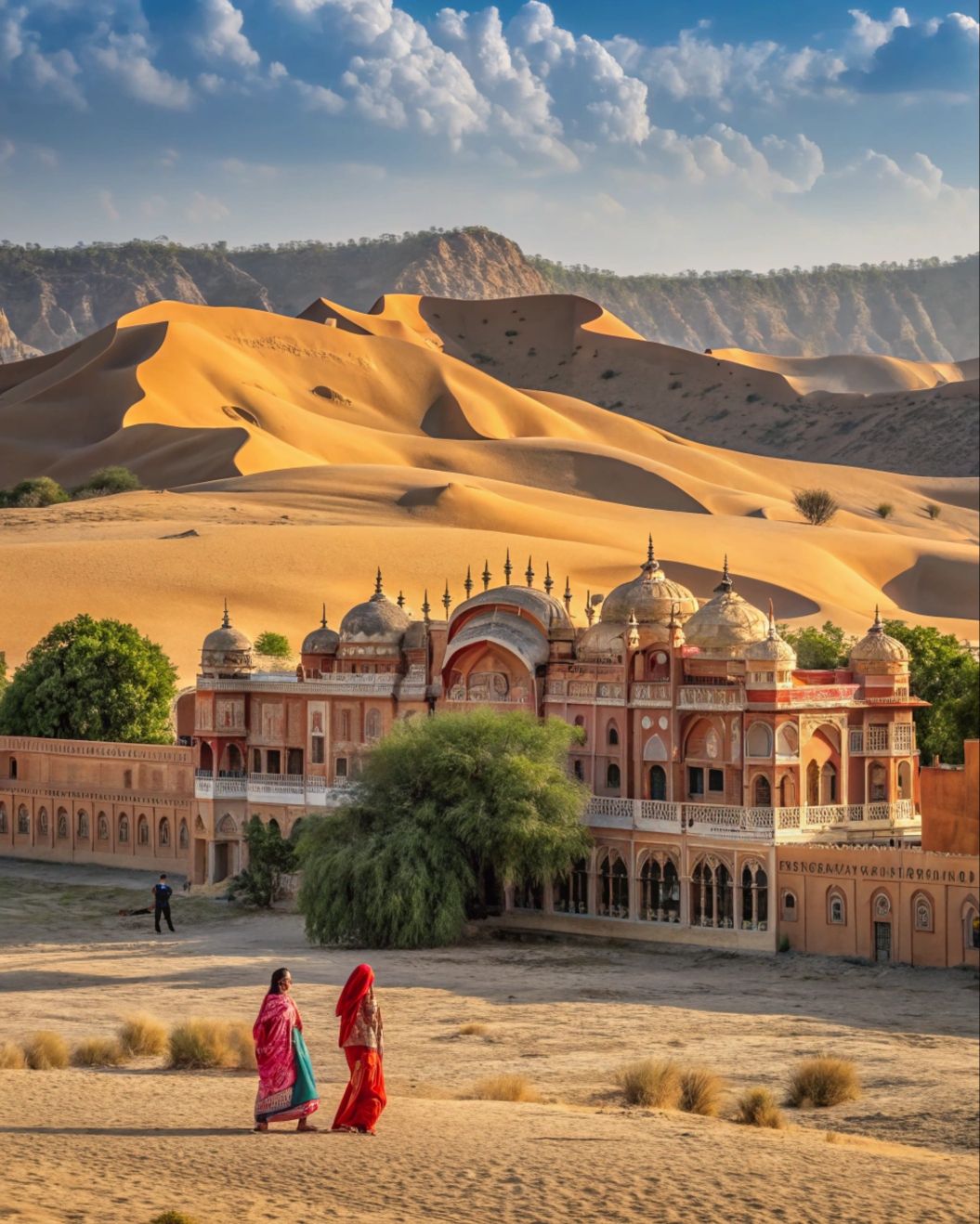
Heritage Cities
Cities like Jaipur are celebrated for royal palaces, colorful markets, and historic architecture.
Similarly, Istanbul offers a fascinating blend of European and Asian cultures, reflected in its mosques, bazaars, and historic monuments.
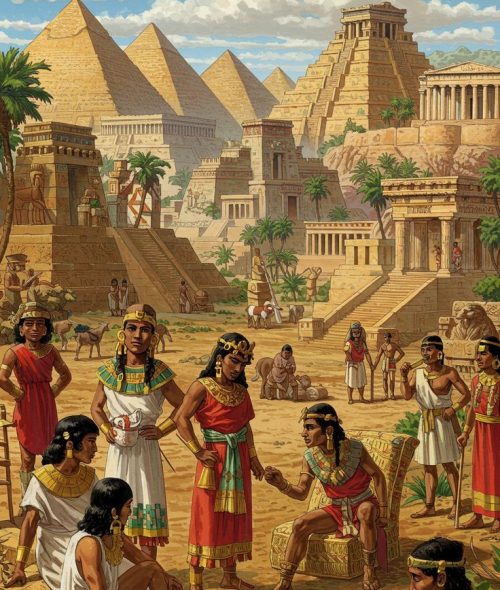
Ancient Civilizations
Destinations connected to ancient civilizations attract travelers interested in history and archaeology.
Places like Athens and Cairo reveal the remarkable achievements of early civilizations.
These destinations allow travelers to explore archaeological sites, museums, and ancient monuments.
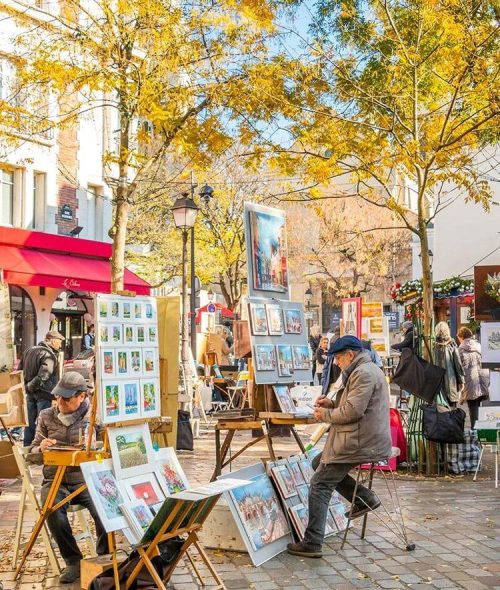
Artistic Cities
Art lovers often visit cities known for creative expression and artistic heritage.
Cities such as Florence and Paris are renowned for museums, galleries, and historic artistic movements.
These destinations celebrate human creativity through paintings, sculptures, architecture, and literature.
Cultural Travel Experiences
Travelers interested in cultural exploration can enjoy a variety of experiences.
Examples include:
• Guided tours of historic monuments and heritage districts
• Museum visits and art gallery exploration
• Traditional cooking classes and culinary tours
• Cultural workshops and craft demonstrations
• Traditional music and dance performances
These experiences allow travelers to engage actively with local culture.
Benefits of Cultural Travel
Cultural travel offers many meaningful benefits.
✔ Deep understanding of history and traditions
✔ Opportunities to interact with local communities
✔ Authentic cultural experiences
✔ Enriching educational journeys
✔ Memorable travel experiences beyond sightseeing
These journeys provide insights that inspire curiosity and appreciation for global diversity.
Who Cultural Travel is Perfect For
Cultural travel appeals to travelers who seek meaningful experiences.
It is especially suitable for:
• History enthusiasts
• Art and architecture lovers
• Educational travelers
• Cultural explorers
• Travelers interested in heritage and traditions
These journeys encourage travelers to explore the world with curiosity and respect.
The Value of Cultural Exploration
Traveling through cultures allows people to understand how societies evolve and how traditions shape identities.
Cultural travel reminds us that the world is filled with diverse communities, each with its own stories and traditions.
By exploring cultures respectfully and thoughtfully, travelers gain deeper appreciation for the beauty of human heritage.
Begin Your Cultural Journey
The world is filled with remarkable stories waiting to be discovered.
Cultural Travel invites you to walk through ancient cities, experience vibrant traditions, and connect with communities around the globe.
Every destination becomes a classroom of history, art, and human creativity.
Your cultural journey begins with curiosity—and the world is ready to share its stories.